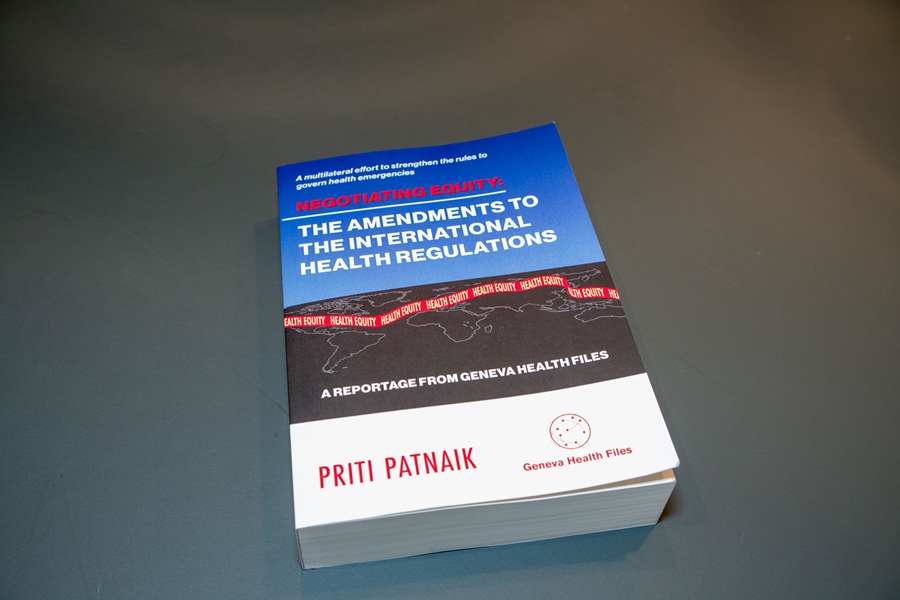
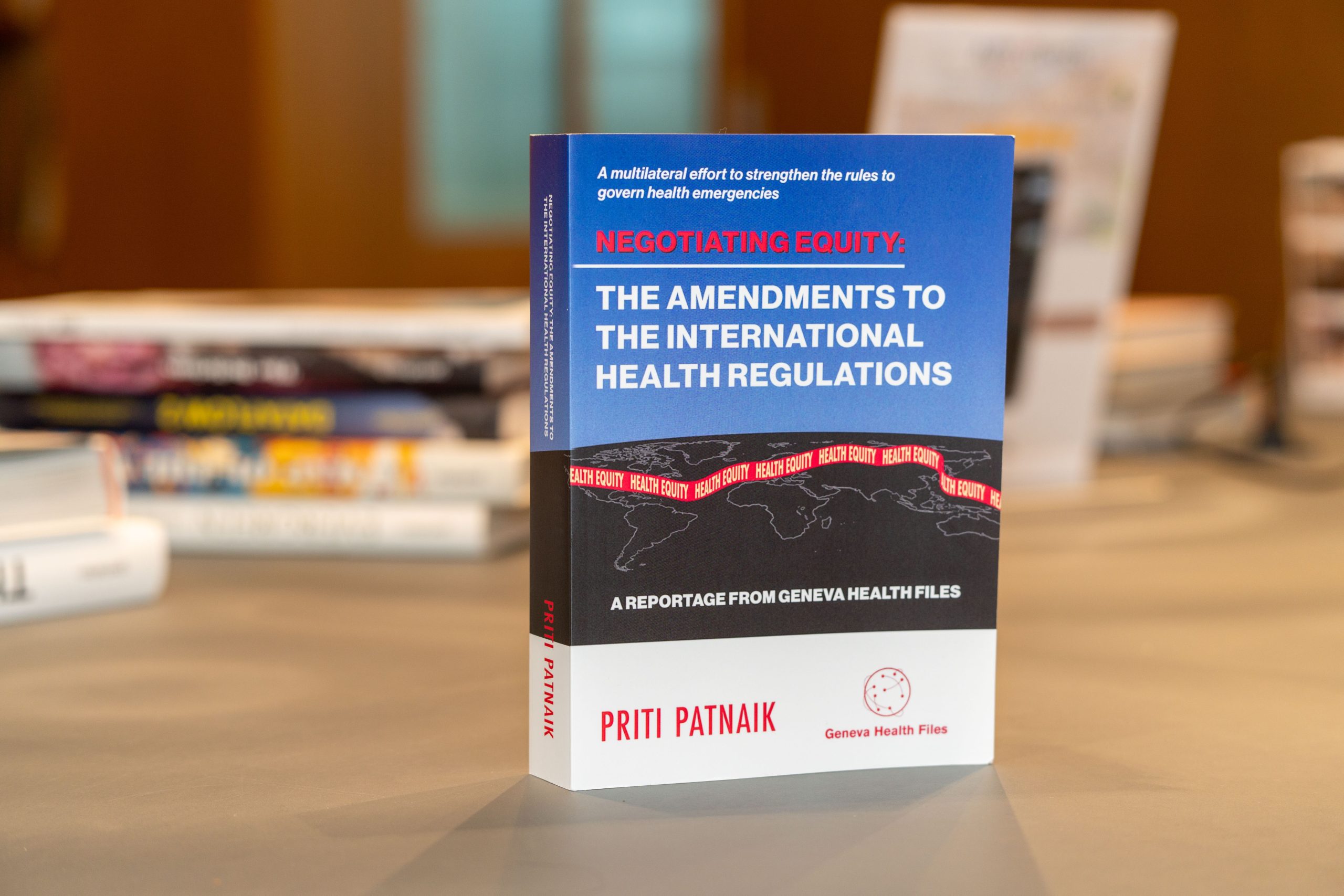
Negotiating Equity: The Amendments to the International Health Regulations (2005)
A multilateral effort to strengthen the rules to govern international health emergencies: Negotiations at the World Health Organization between 2021-2024.
A multilateral effort to strengthen the rules to govern international health emergencies: Negotiations at the World Health Organization between 2021-2024.


Politics underlie technical rules. This is a story of how 194 member states of the World Health Organization came together to strengthen the rules that govern health emergencies. Many believed that the International Health Regulations (2005), had failed to protect the world from the COVID-19 pandemic. Countries set about establishing a process to amend the rules to make them more fit for purpose. The negotiations unfolded in Geneva, Switzerland at the headquarters of the World Health Organization, where 196 State Parties to the IHR came together to negotiate the amendments in a highly political and fairly contested discussions that lasted for three years. In June 2024, countries adopted these amended rules with the objective to respond to health emergencies more equitably in the future.

Author
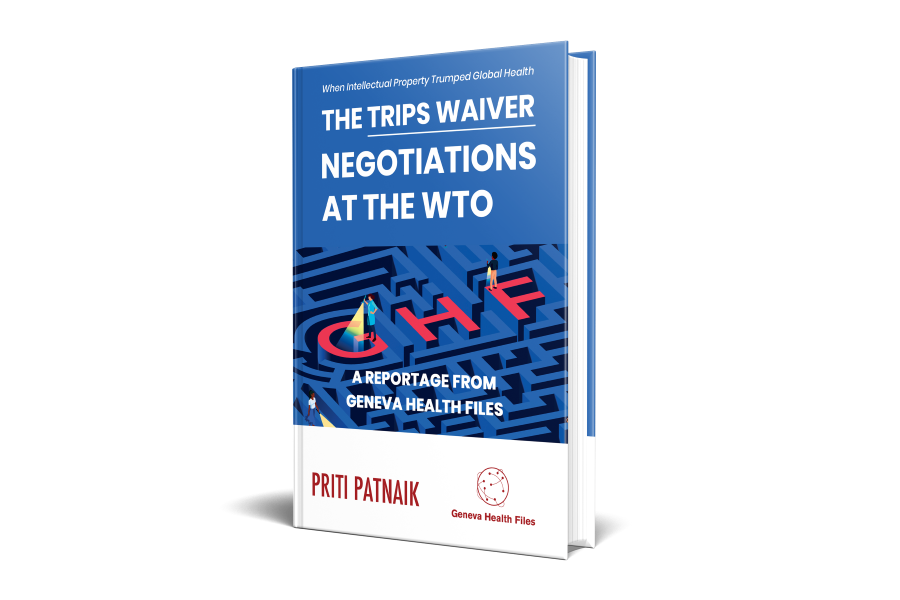
“The goal was to really present this book as a ready reckoner for anyone who’s interested to get a glimpse of how these negotiations on the IHR were conducted, the key players and some behind-the-scenes-color. It is a journalistic effort to capture closed door discussions. I must confess, of course, I had some fabulous sources to help us understand these technical issues, but it was enormously tough. There weren’t as many stakeholders. The flow of information was slower. But now we have everything in one place, as it unfolded and as we reported.

 Reviews from Readers

This book is a contemporary history of how vaccine inequity unfolded, and gives a blow by blow account of the state and non-state actors who did the most to prevent it and those who let it happen. It is a valuable resource for anyone who wants to study this period in the history of intellectual property and statecraft. It is also a riveting read!
(Associate Professor in Intellectual Property Law, London School of Economics and Political Science)
Priti Patnaik covered these negotiations from start to finish and provided reports that were perceptive and well sourced, and constitute a wealth of insight into one of the most important battles over intellectual property rights.
(Director, Knowledge Ecology International)
The book is a unique account of almost 4 years of multilateral discussions and negotiations. It is meticulous and captures the promises and unfulfilled expectations of a fraught process pitting the interests of private corporations of the health sector against the urgencies of a health emergency of international proportions.
(Brazilian Mission to the WTO)
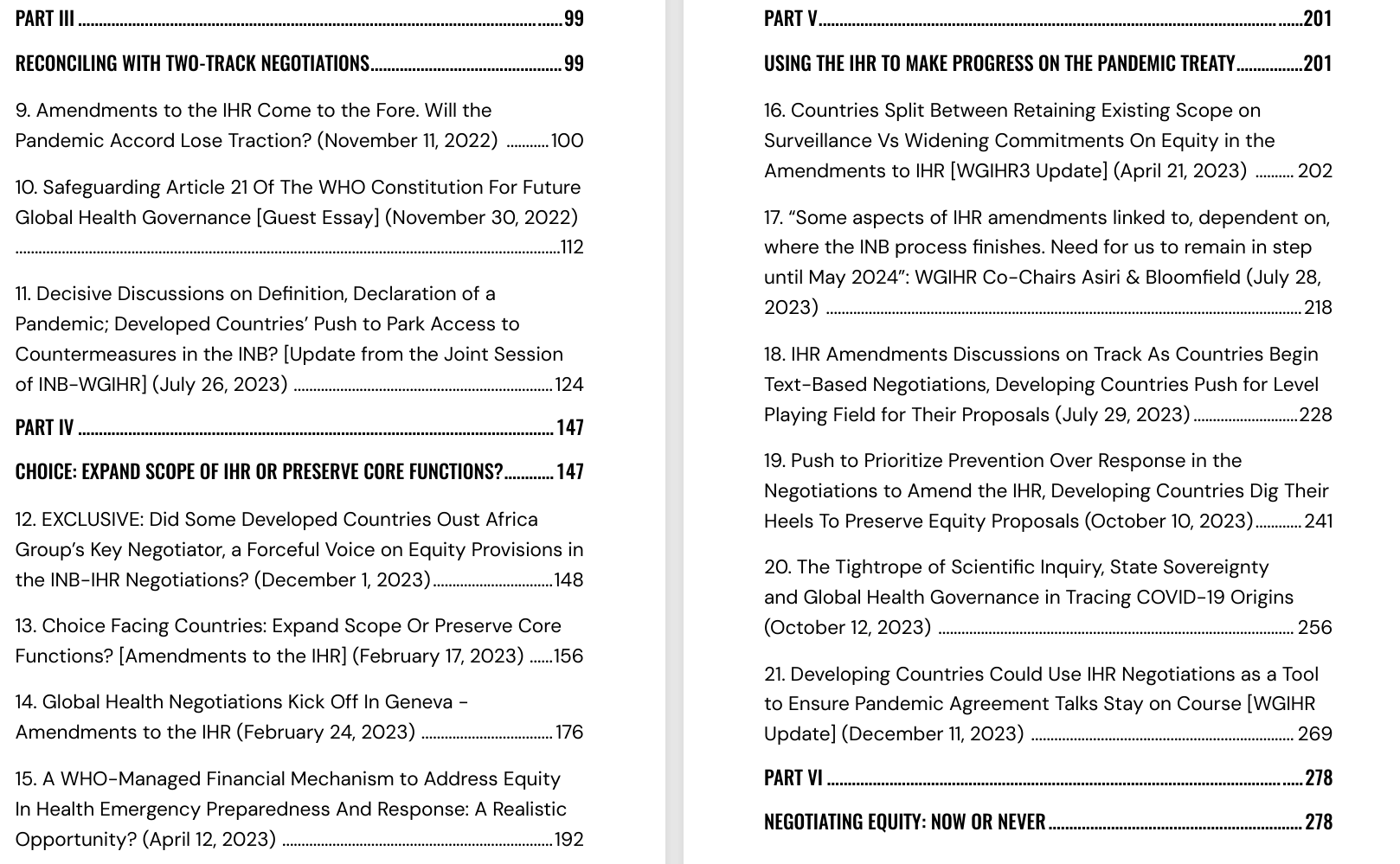
These intergovernmental negotiations showcase the role of politics in shaping the outcomes for public health. The book is a compilation of more than 35 stories that were reported over a period of three years during 2021-2024 ensuing the COVID-19 pandemic. Based on extensive and regular interviews by hustling diplomats for intelligence, combining on-the-ground presence, and direct references to evolving negotiated texts during this period, this reportage is a product of old-fashioned journalistic methods that captured dynamics in the negotiations, and pieced together closed-door technical discussions. This is also a story of team work, astute behind-the-scenes diplomacy, as much as it is about leading from the front, in a complex environment of biting political interests and competing objectives.


 genevahealthfiles@gmail.com
